Quick answer
Most tasting walks gather at Aðalstræti 10, 101 Reykjavík, in the oldest street in the city, and public spaces along the route carry no entrance fee — 0 ISK, though tour stops vary based on specific establishment. Access runs 09:00–18:00 every day, Monday through Sunday. The recommended arrival window is 09:00–17:00; bakery queues and counter space tighten around the lunch hour.
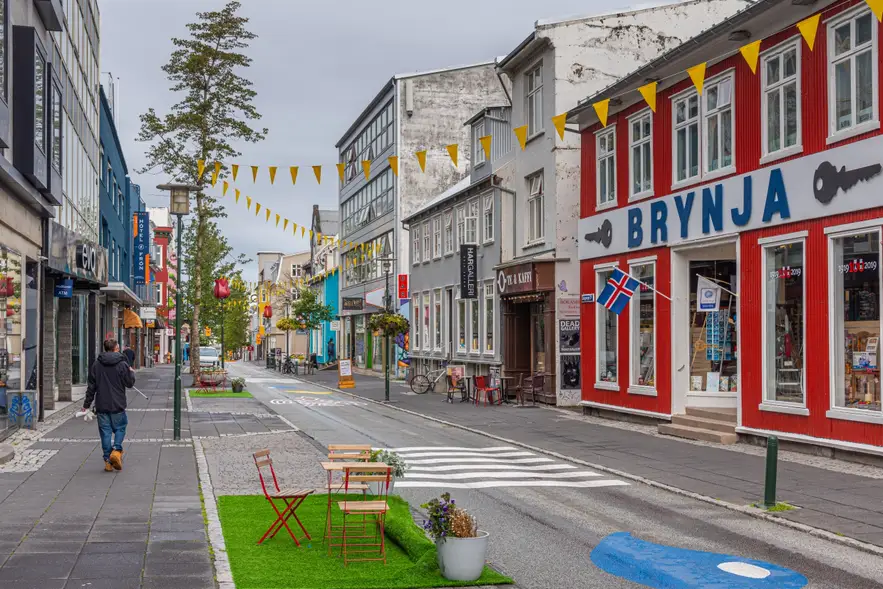
Aðalstræti is the oldest street in Reykjavík, and the buildings around number 10 sit on top of a tenth-century Viking longhouse — which means the traditional starting point for a tasting walk is also an archaeological site. That layering is a fair preview of what follows. The reykjavik food tour stops that matter are rarely grand dining rooms; they are counters, cellars, harbour kiosks and bakeries where a recipe has simply not changed much.
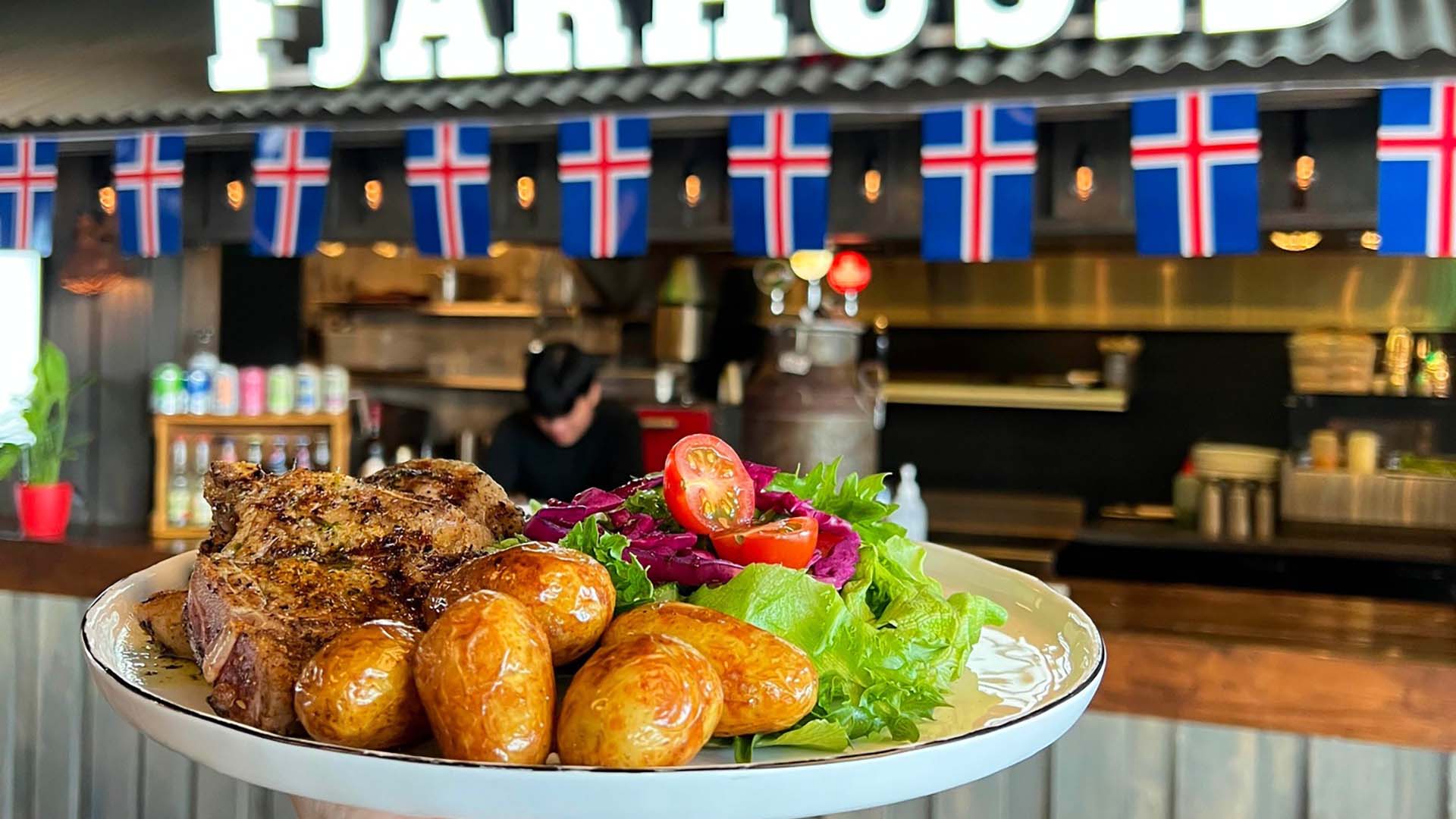
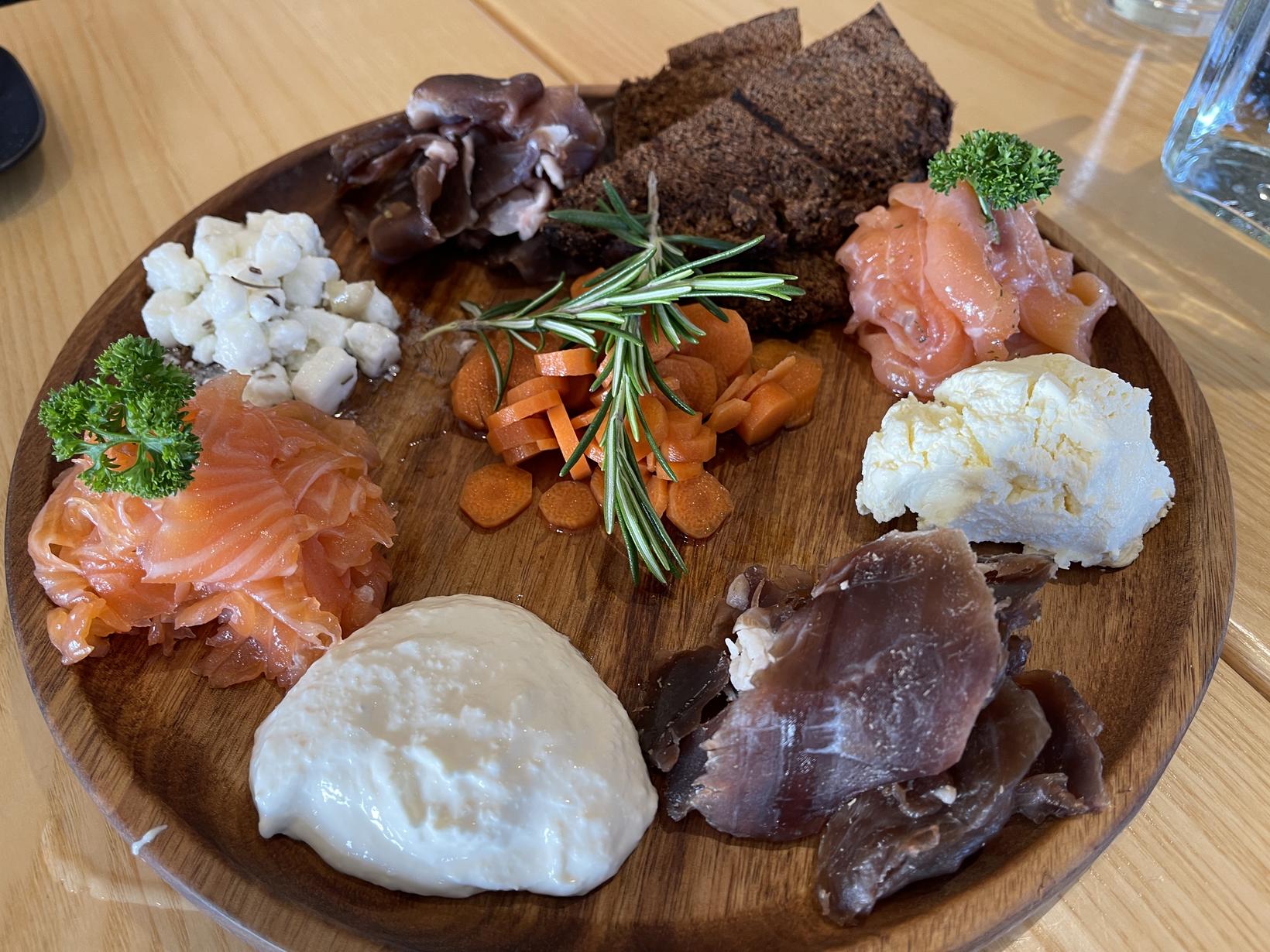
The dishes carry the story. Plokkfiskur, a mashed stew of haddock or cod bound with potato and butter, is the domestic staple most visitors have never heard of. Kjötsúpa, the lamb and root-vegetable soup, tastes of a country with more sheep than people. Hangikjöt — smoked lamb, often over birch or sheep dung — arrives thinly sliced on rye. Rúgbrauð itself is the curiosity: a dense, dark, faintly sweet rye traditionally steam-baked underground using geothermal heat, then served with butter and cured fish. Harðfiskur, wind-dried fish torn into brittle strips, is the local answer to crisps. Skyr, technically a cheese rather than a yoghurt, closes many walks. Hákarl, the fermented Greenland shark, appears at some stops in a single cube with a chaser of brennivín, and is almost always optional.
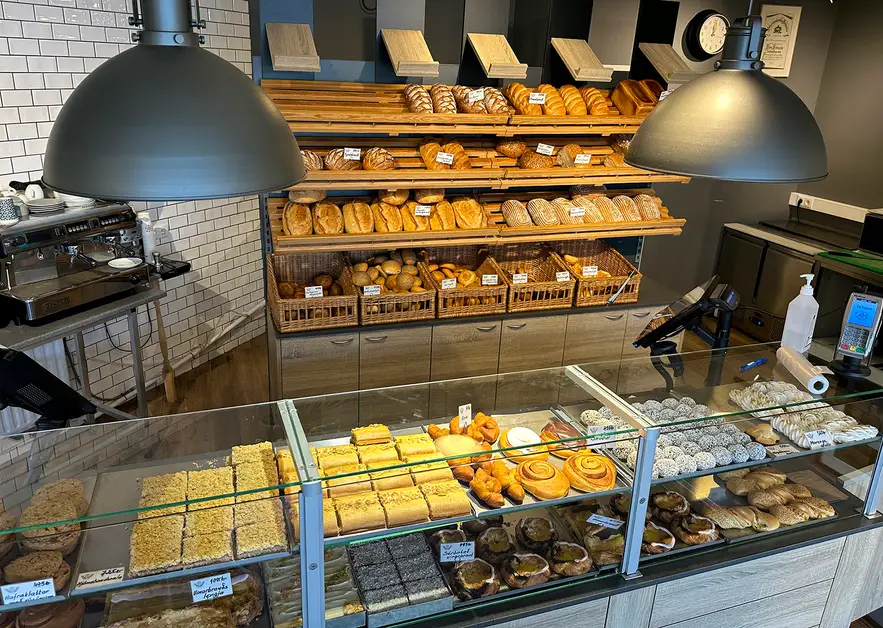
Geography does the sequencing. The old town core, the Grandi harbour district near the fishing docks, and the stretch up Laugavegur are close enough that a route stays walkable in Icelandic weather, which in August means daylight past ten at night and rain that arrives sideways without warning. The best reykjavik food tour stops tend to be family-run and small — a bakery with four tables, a hot-dog stand with a fifty-year queue, a fish shop that closes when the day's catch is gone.
What to do with all this: read the dish list before booking rather than the venue list. Operators change suppliers; the traditional Icelandic plates are the constant. Confirm dietary needs in advance, since lamb, dairy and fish underpin nearly every course, and vegetarian substitutions need warning. Arrive hungry but not fasting — portions accumulate. And treat the walk as orientation. Visitors who note which counter they liked usually return to it independently later in the trip, which is the quiet point of any culinary tour of Reykjavík landmarks: it hands you a shortlist you would not otherwise have had.